Reach Us

CFD & Multi-Physics Simulation Services.

Building on our established finite element analysis foundation, ProSIM provides cutting-edge multi-physics simulations and computational fluid dynamics solutions. Our expertise lies in unraveling complicated thermal-fluid dynamics alongside intricate structural interactions — helping industrial clients boost product performance, meet strict industry regulations, and avoid severe operational breakdowns.

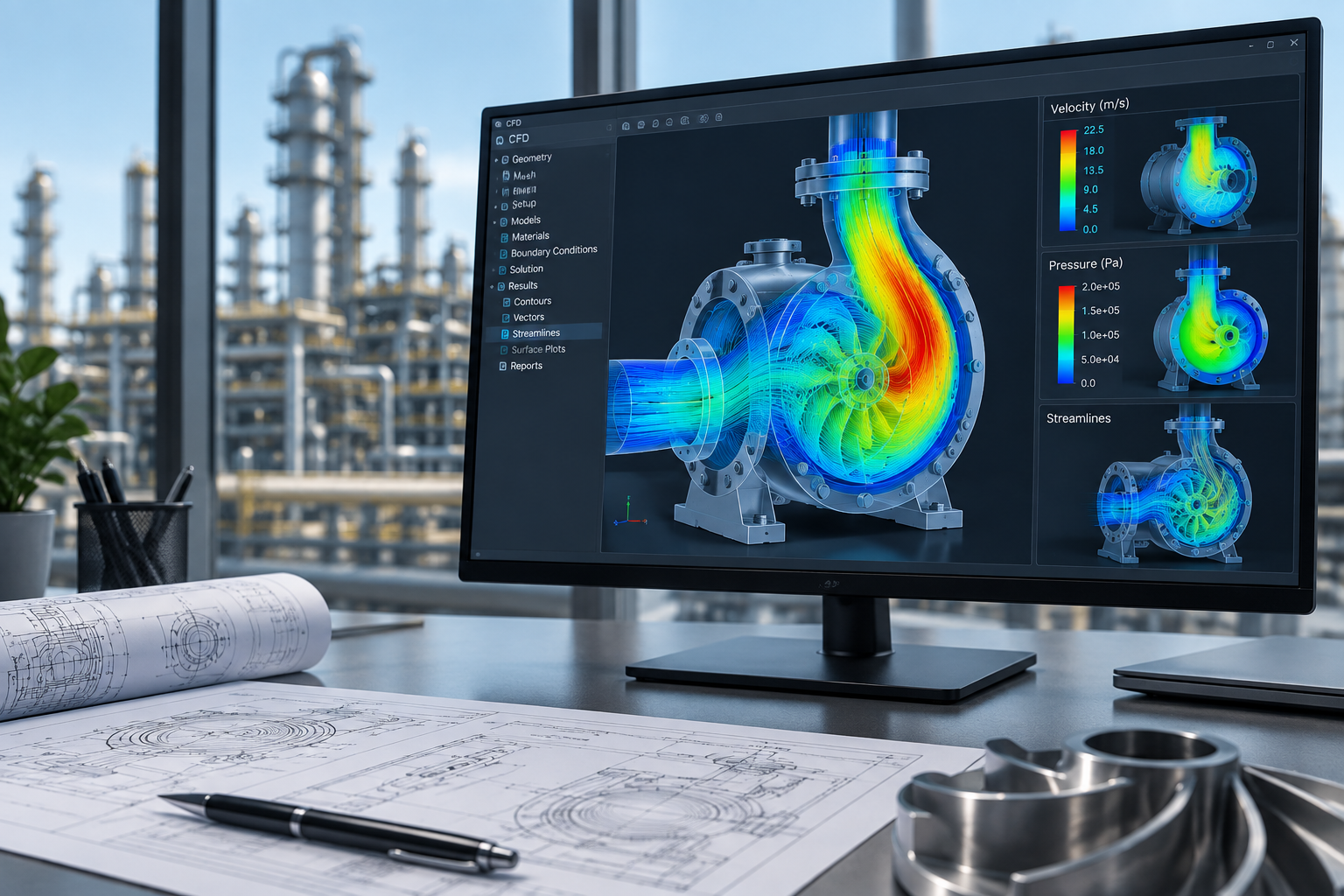
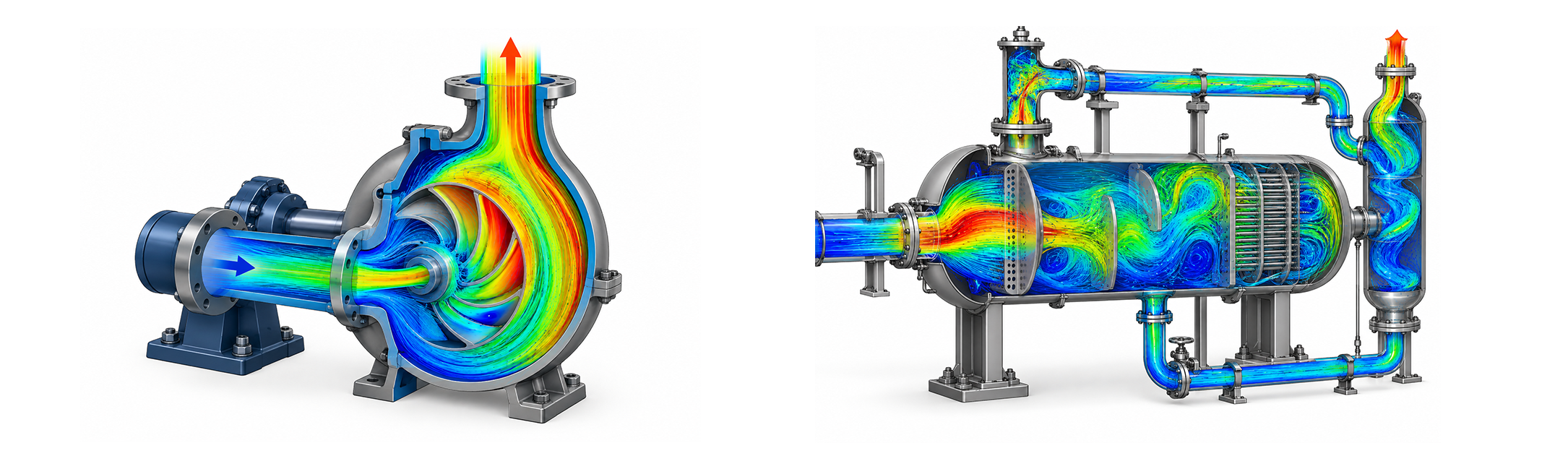
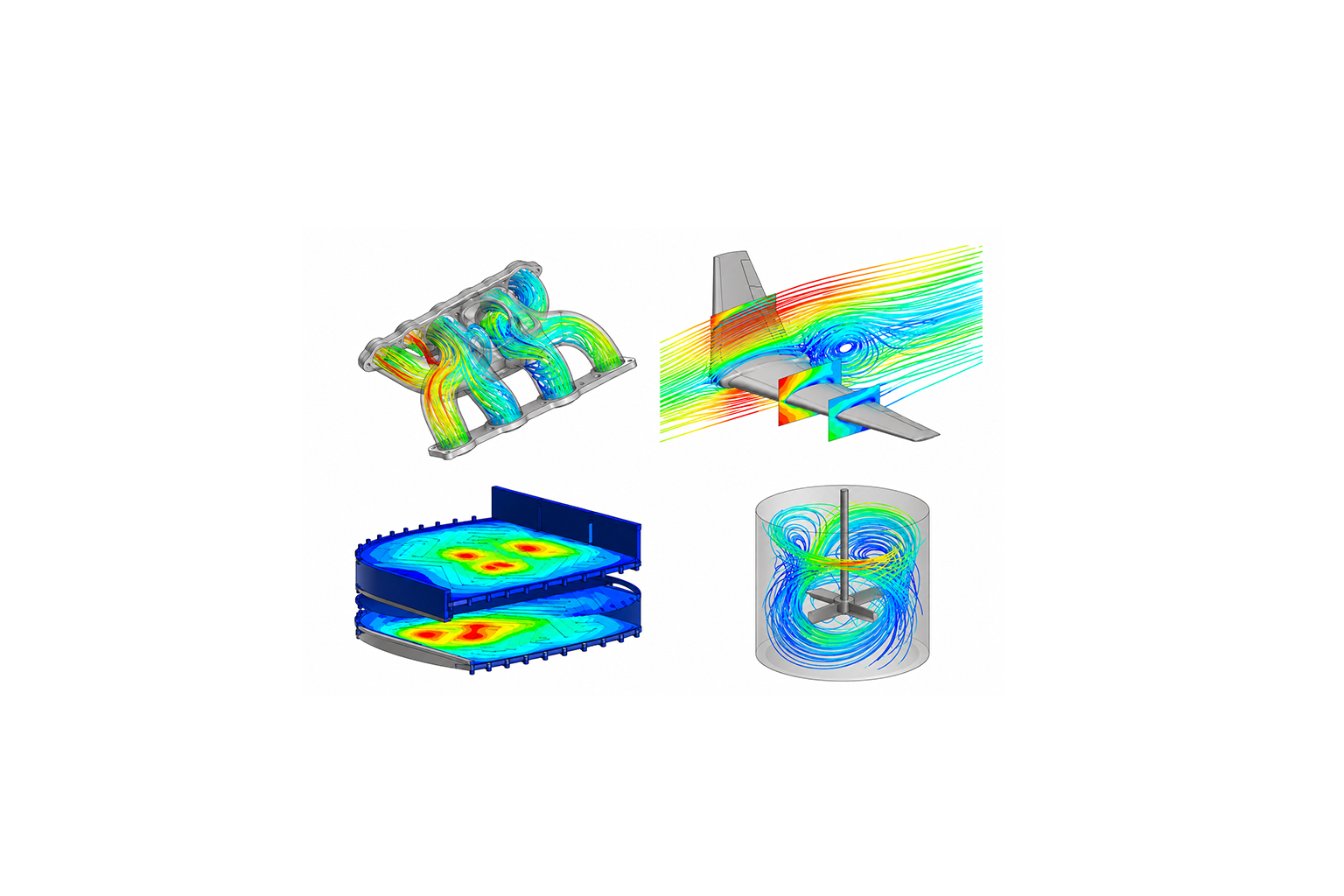
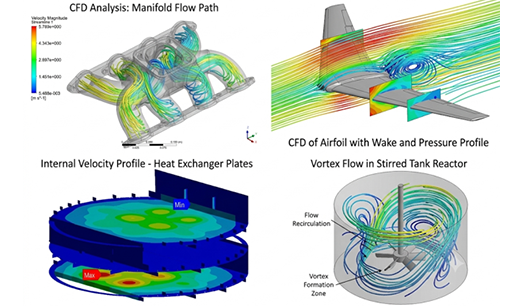
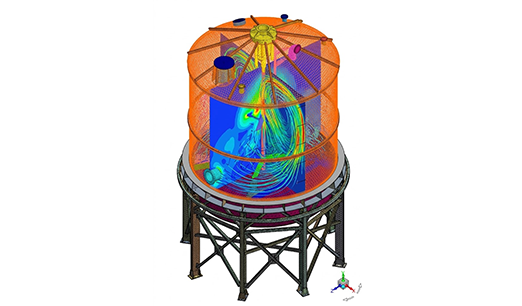
Computational fluid dynamics simulation result
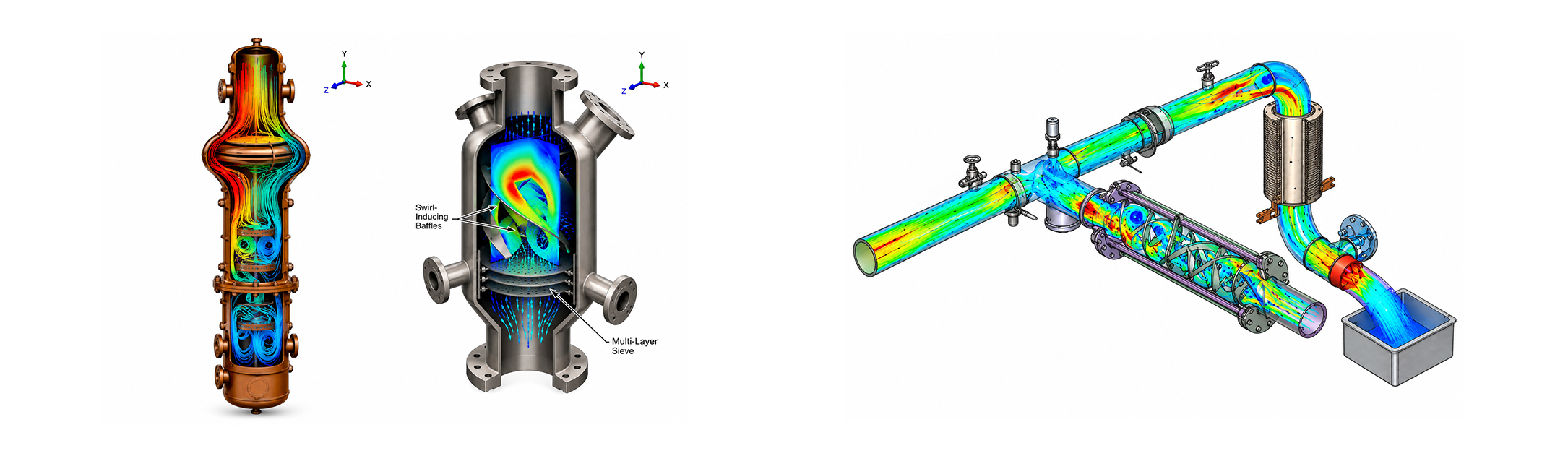
CFD & Multi-Physics
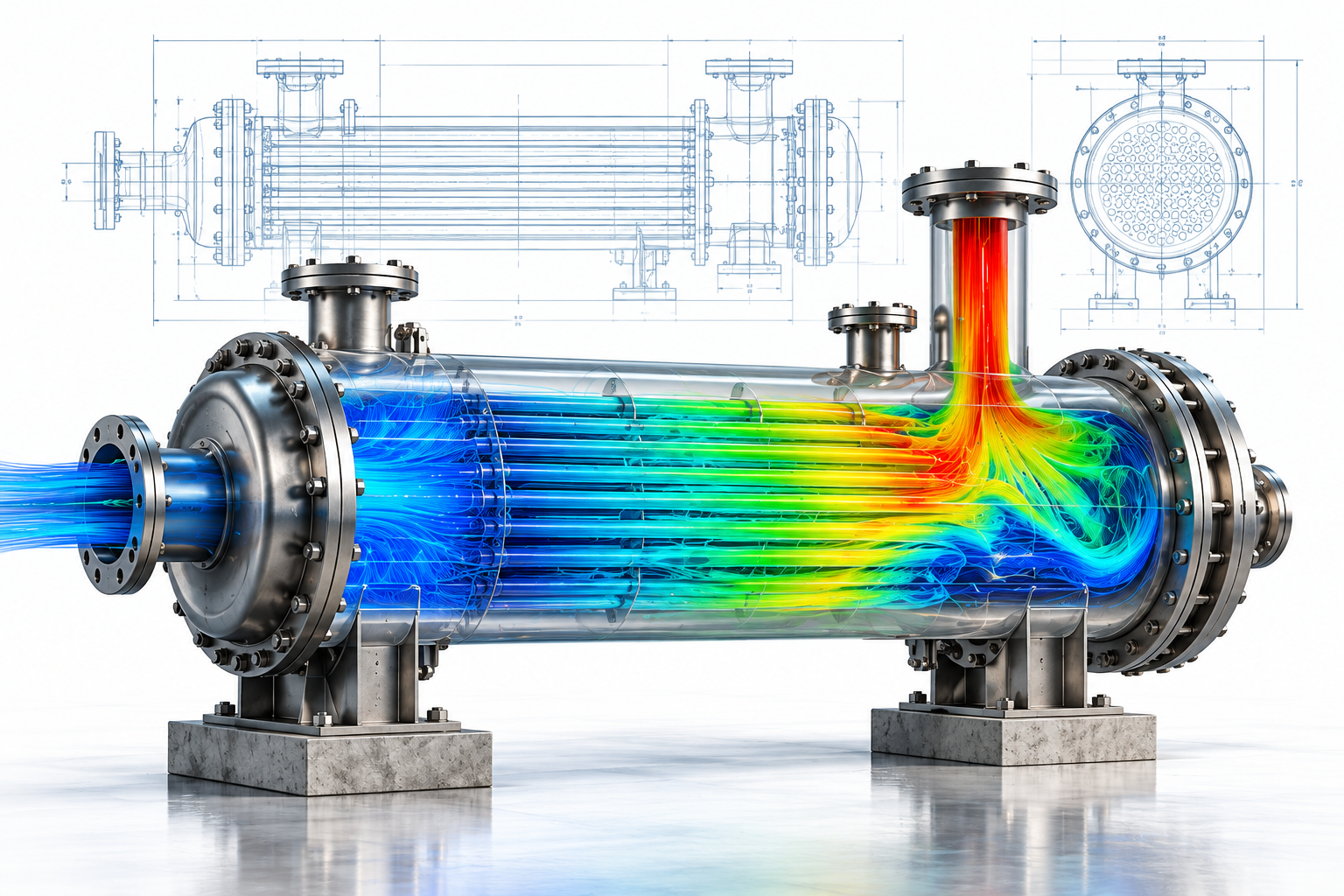
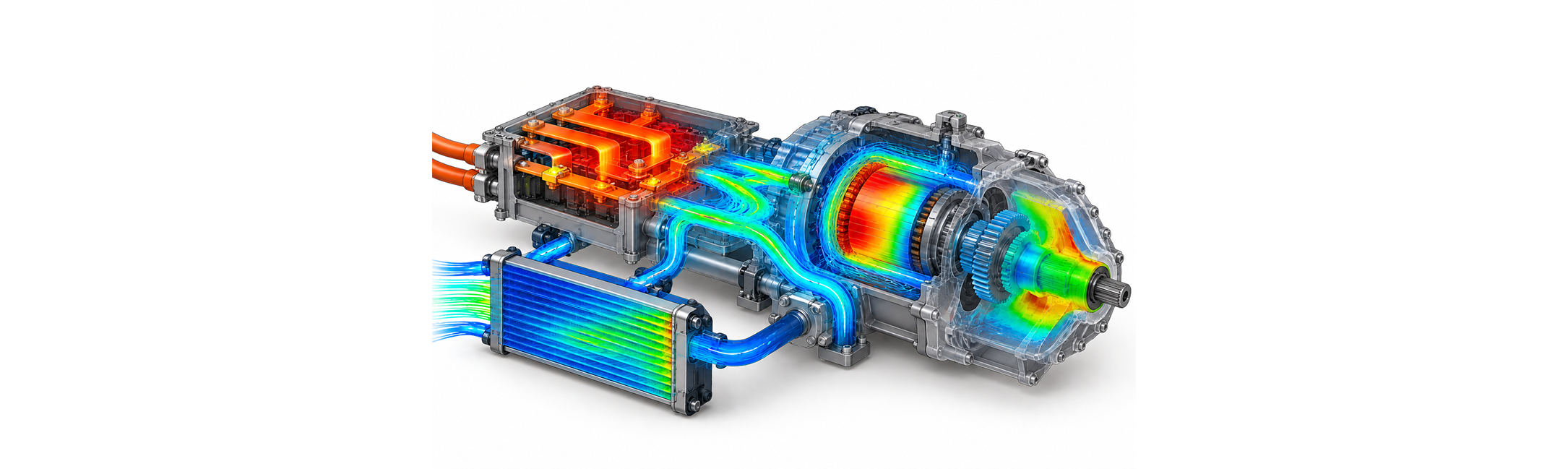
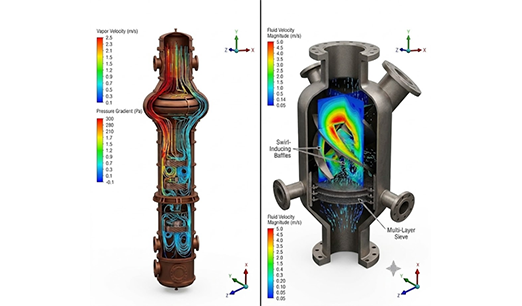
Multi-physics thermal-structural detail
OUR EXPERTISE

Specialized, Multidisciplinary Simulation Solutions

From CFD and fluid-structure interaction to damage and life assessment, multi-body dynamics and fully coupled multiphysics, ProSIM converts thermal-fluid data into real structural outcomes.

Computational Fluid Dynamics (CFD) & Fluid-Structure Interaction

By utilizing focused fluid dynamics analyses, we model intricate fluid movements to fine-tune thermal systems and accurately forecast how fluids in motion affect nearby physical structures. To produce highly dependable virtual prototypes, our specialists rely on premium software tools, particularly leveraging the advanced capabilities of the ANSYS Fluent platform.

01

Fluid-Structure Interaction (FSI)

We examine the combined effects of fluid streams on component integrity — essential for assessing acoustic-induced and flow-induced vibrations, water hammer or surge conditions, and the impact of sudden valve closures within piping arrays.

02

Multi-Phase & Free Surface Flows

Our industry-recognized simulations accurately map liquid-gas boundaries, cavitation, slurry movement, and mixing processes across rotating equipment and process machinery.

03

Thermal & Conjugate Heat Transfer (CHT)

Focused thermal evaluations to track complicated heat loss and dissipation, including thermal stratification inside pipes and thermal shocks affecting pressure vessels and heat exchangers.

04

Flow Optimization

Our approaches reduce unnecessary pressure drops, clear out dead zones, and streamline fluid pathways throughout intricate valves, ducts, and manifold networks.

Materials, Damage Modeling & Life Assessment

Moving past basic linear evaluations, we investigate how severe mechanical and thermal stresses deteriorate materials throughout their operational lifespan. By integrating these insights with our fluid dynamics analyses, we seamlessly project complicated thermal data onto comprehensive structural frameworks.

01

High-Temperature Durability

We analyze fatigue, creep, and their combined interactions within high-pressure, high-temperature equipment. Typical assets evaluated include industrial reactors, steam turbines, and power plant piping assemblies.

02

Fracture Mechanics & Fitness-for-Service (FFS)

By modeling both the start and subsequent spread of structural cracks, we confidently estimate an asset's remaining useful life and establish secure operating boundaries.

Multi-Body Dynamics (MBD)

We determine the actual dynamic and kinematic responses of intricate, linked assemblies comprising both flexible and rigid parts. When paired with the robust outputs of our ANSYS Fluent workflows, these dynamic simulations effectively incorporate real-world forces generated by fluid motion.

01

Dynamic Load Extraction

We calculate accurate, fluctuating accelerations, velocities, and joint forces experienced throughout standard operating cycles.

02

FEA Integration

By transferring these precise dynamic forces directly into subsequent fatigue and structural models, we achieve unparalleled levels of physical accuracy.

Fully Coupled Multiphysics Analysis

Because practical engineering challenges seldom occur in a vacuum, we connect separate physical disciplines using simultaneous, multi-directional coupling. This advanced approach is heavily supported by our foundational fluid dynamics capabilities.

01

Electro-Magnetic-Thermal-Structural-Flow Coupling

We model interconnected systems where electrical currents produce heat, which in turn alters cooling performance and triggers structural expansion. Typical applications include busbars, electrical transformers, and electric vehicle powertrains — where our comprehensive fluid simulations are essential for assessing and optimizing overall thermal management.

WHY PARTNER WITH PROSIM

Why Partner with ProSIM?

Organizations seeking reliable fluid dynamics analysis benefit from several unique advantages — cross-domain expertise, rigorous root cause analysis, and built-in code compliance.

01

Cross-Domain Expertise

Rather than simply delivering attractive visual plots, we convert fluid data into tangible structural outcomes — ensuring your vessels, piping, and pumps are fully capable of surviving harsh operational demands.

02

Root Cause Analysis

We identify the precise origins of recurring equipment failures, from flow-induced cracking and localized cavitation to severe thermal fatigue, using advanced ANSYS Fluent techniques to correctly diagnose hidden fluid-related issues.

03

Code Compliance

We seamlessly align our sophisticated simulation results with established international standards, including BS, API, and ASME, guaranteeing comprehensive design validation.

INDUSTRIES & VERTICALS WE SERVE

Industries & Verticals We Serve

Because our premium fluid dynamics and multi-physics capabilities transcend specific markets, we consistently provide highly detailed engineering insights across a wide array of industrial sectors.

Oil & Gas, Petrochemicals & Refineries
Power Generation (Thermal, Nuclear, Renewables)
Automotive & Electric Vehicles (EV)
Aerospace & Defense
Heavy Engineering & Industrial Machinery
Process & Chemical Industries
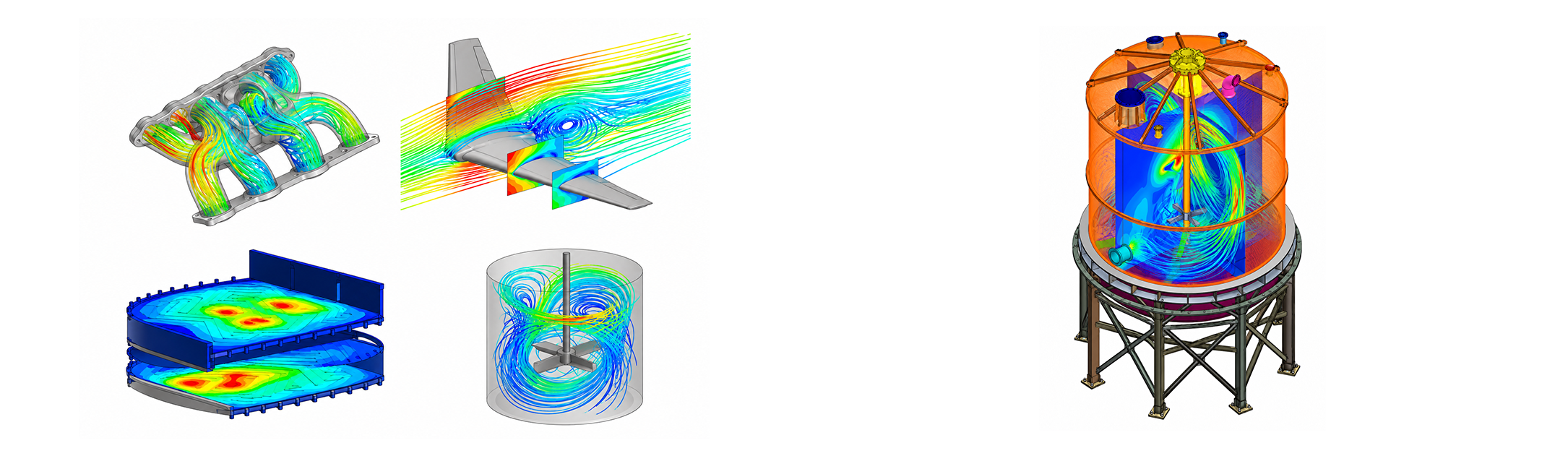
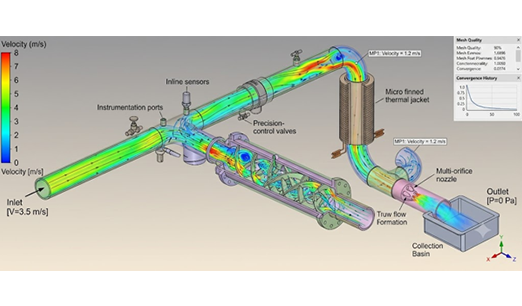
Industrial fluid dynamics application
Projects

CFD & Multi-Physics Projects

OIL & GASFitness-for-Service Assessment of a Pipeline During Lifting Operations
Duration · 6 Months

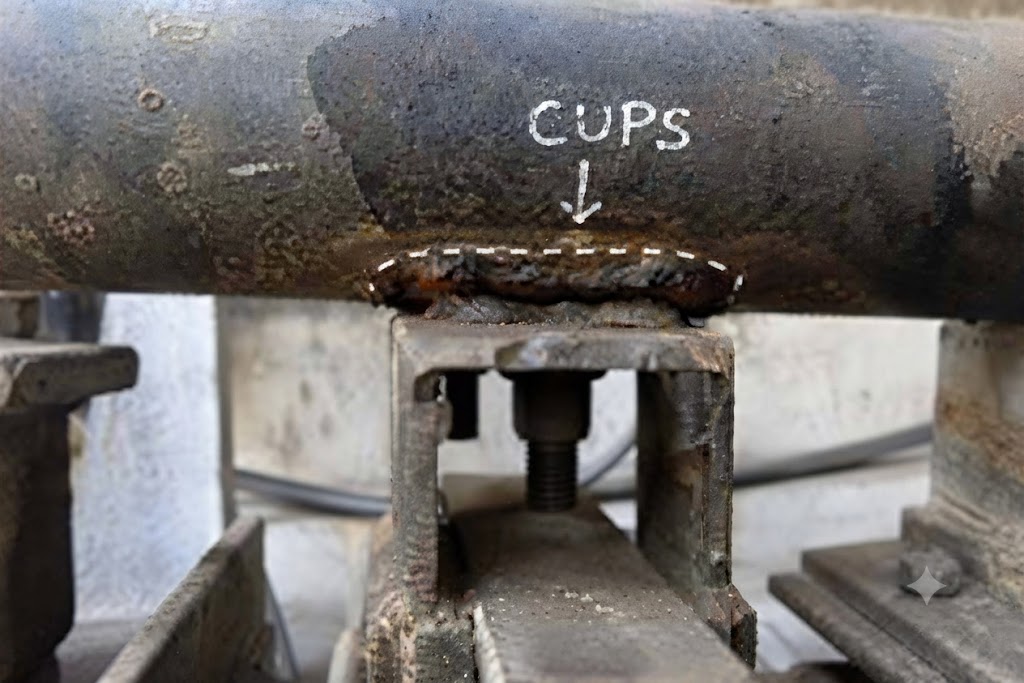
Fitness-for-Service Assessment of a Pipeline During Lifting Operations

Fitness-for-Service assessment of a live pipeline affected by Corrosion Under Pipe Support (CUPS), validating structural integrity during a 50 mm lift for UT inspection. Reusable lifting guidelines were developed defining safe criteria for multiple pipe sizes and configurations.

Read More →
OIL & GASPipe Stress Analysis of a 44-inch Incinerator Line
Duration · 6 Weeks

Pipe Stress Analysis of a 44-inch Incinerator Line

Static and dynamic pipe stress analysis validating a proposed incinerator piping design modification, enabling the customer to approve and proceed with site modifications while improving incinerator efficiency and minimising the risk of future operational failures.

Read More →
RENEWABLE ENERGYFEA of a Wind Turbine Generator (WTG) Transformer
Duration · 5 Weeks

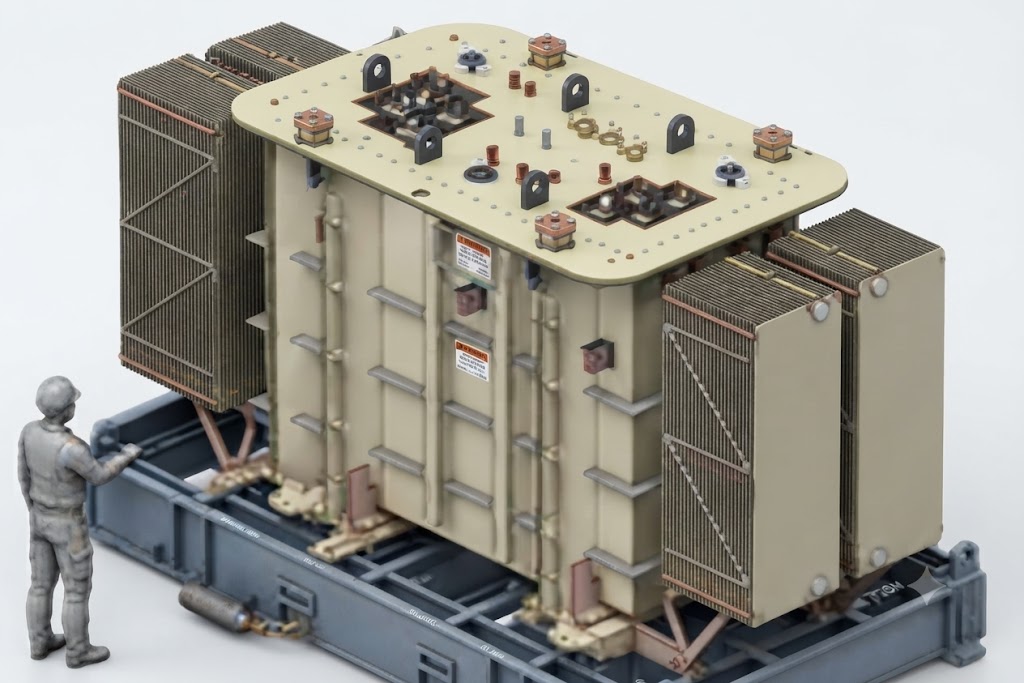
FEA of a Wind Turbine Generator (WTG) Transformer

FEA-based structural validation of a WTG transformer under transportation, lifting and extreme-wind acceleration loads. Critical stress regions were identified and the lifting arrangement, tie-down configuration and weld design were optimised for a manufacturing-ready design.

Read More →
NUCLEARSeismic Qualification of a 3.2 MW Induction Motor for a CCW Pump
Duration · 5 Weeks

Seismic Qualification of a 3.2 MW Induction Motor for a CCW Pump

Equipment qualification for Operating Basis Earthquake (OBE) loading, giving the customer the confidence to release the motor for manufacturing and supply it to a nuclear power plant site — a decision that could not be made without seismic qualification proof.

Read More →
WATERPipe Stress Analysis of a 40 MLD Desalination Plant
Duration · 6 Months

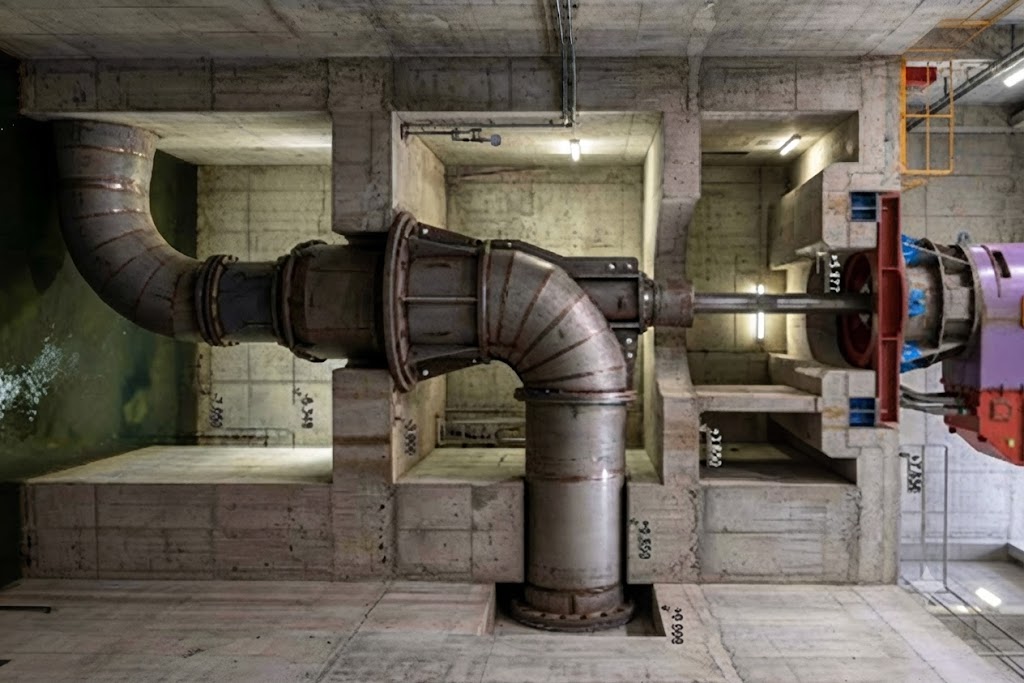
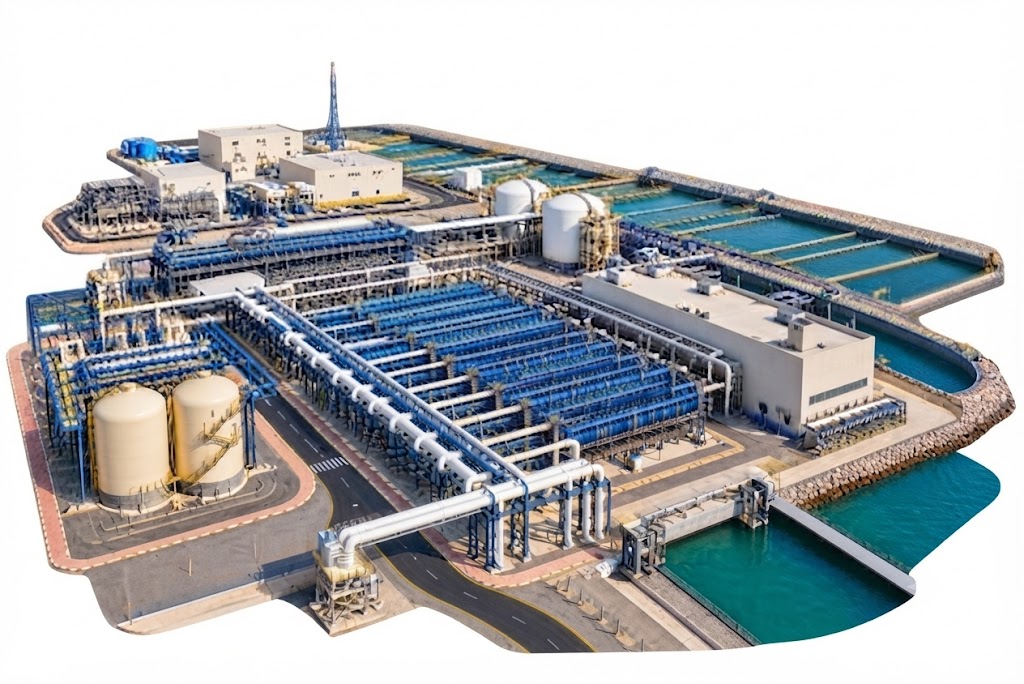
Pipe Stress Analysis of a 40 MLD Desalination Plant

Pipe stress analysis of critical piping systems under operating and environmental loads for a 40 MLD desalination plant, ensuring piping integrity, safety and code compliance to support safe and reliable plant execution.

Read More →
FAQ's

CFD & Multi-Physics FAQs

Outsourcing your simulation requirements to our specialized team provides immediate access to premium software tools, such as ANSYS Fluent, and deep technical expertise without the overhead of an in-house department. We bring the necessary scale and rigorous analytical methods to accelerate your product development cycles, boost overall performance, and ensure your engineering initiatives remain strictly on schedule and budget.

Equipment failures disrupt operations and impact your bottom line. We use advanced FSI modeling to examine the combined effects of fluid streams on component integrity. By accurately predicting acoustic-induced vibrations, water hammer effects, surge conditions, and the impact of sudden valve closures, we help you mitigate risks and avoid severe operational breakdowns before manufacturing begins.

Yes. For industries operating high-pressure and high-temperature equipment, assessing asset longevity is critical for safety and capital planning. We integrate fluid dynamics with fracture mechanics to model the start and spread of structural cracks, evaluate high-temperature durability, and analyze fatigue. This allows us to confidently estimate your equipment's remaining useful life and establish highly secure operating boundaries.

Absolutely. Practical engineering challenges require a holistic approach. We utilize fully coupled Electro-Magnetic-Thermal-Structural-Flow analysis to model systems where electrical currents produce heat, which in turn alters cooling performance and causes structural expansion. This capability is essential for automotive, EV, and power generation clients looking to optimize the thermal management of complex powertrains and electrical enclosures.

We go far beyond delivering attractive visual plots; we convert fluid data into tangible structural outcomes. By leveraging advanced analytical techniques, our simulation experts diagnose hidden fluid-related issues — such as localized cavitation, flow-induced cracking, or severe thermal fatigue — to pinpoint the precise origins of recurring failures and recommend permanent, real-world engineering solutions.

Yes, strict code compliance is built into our analytical framework. We seamlessly align our sophisticated fluid dynamics and structural simulation results with established international engineering codes, including ASME, API, and BS. This guarantees comprehensive design validation and ensures that your products seamlessly clear strict industry regulations.

Inefficient fluid flow leads to energy waste and excessive wear. Our flow optimization strategies pinpoint and eliminate dead zones, reduce unnecessary pressure drops, and streamline fluid pathways throughout intricate valves, ducts, and manifold networks. This translates to lower operating costs, enhanced system reliability, and maximized equipment efficiency.

Yes, we serve the process, chemical, and heavy engineering sectors with industry-recognized simulations that accurately map complicated fluid behaviors. We routinely model liquid-gas boundaries, cavitation, slurry transport, and intricate mixing processes across rotating equipment, cyclones, and industrial reactors to guarantee operational precision.

Moving assemblies experience complex, real-world forces that static tests cannot capture. We calculate the precise, fluctuating accelerations, velocities, and joint forces experienced throughout standard operating cycles. By transferring these dynamic forces directly into subsequent fatigue and structural models, we achieve unparalleled physical accuracy, ensuring your assemblies can survive harsh operational demands.

Leveraging our Indian-based premium simulation services gives you a highly competitive advantage. Our seasoned fluid dynamics experts excel at translating intricate analytical data into practical engineering choices. This global delivery framework ensures rapid turnaround times, scalable engineering support, and cost-effective solutions for your most mission-critical and time-sensitive engineering projects.

Blog

Insights from Our Fluid Dynamics Desk

Technical explainers and case notes on FSI, conjugate heat transfer, multi-phase flow, CFD-to-fatigue mapping, multi-body dynamics and coupled multiphysics.

FSI Explained: When Flow Starts Breaking Structures

FSI Explained: When Flow Starts Breaking Structures

Acoustic- and flow-induced vibration, water hammer and valve slam — and how coupled simulation catches them early.

  • Flow-induced vibration
  • Water hammer / surge
  • Valve closure loads
Conjugate Heat Transfer for Pressure Equipment

Conjugate Heat Transfer for Pressure Equipment

Tracking heat loss, thermal stratification and thermal shock in vessels, exchangers and piping.

  • CHT modelling
  • Thermal stratification
  • Transient thermal stress
Multi-Phase & Cavitation Modelling in ANSYS Fluent

Multi-Phase & Cavitation Modelling in ANSYS Fluent

Liquid-gas interfaces, cavitation and slurry transport across pumps, valves and reactors.

  • Free-surface flows
  • Cavitation onset
  • Slurry erosion
From CFD to Fatigue: Projecting Thermal Data onto FEA

From CFD to Fatigue: Projecting Thermal Data onto FEA

Mapping fluid and thermal results onto structural models for creep-fatigue and life assessment.

  • Thermal mapping
  • Creep-fatigue interaction
  • Remaining life
Multi-Body Dynamics as a Load Source for FEA

Multi-Body Dynamics as a Load Source for FEA

Extracting real operating-cycle accelerations and joint forces to drive accurate structural models.

  • Dynamic load extraction
  • Flexible-body MBD
  • FEA integration
Coupled Electro-Thermal-Flow for EV & Power Electronics

Coupled Electro-Thermal-Flow for EV & Power Electronics

Where current makes heat, heat changes cooling, and cooling changes the structure — solved together.

  • Busbars & transformers
  • Battery thermal management
  • Powertrain cooling